Buyers
How do I move up to a larger home on the North Shore as my family grows?
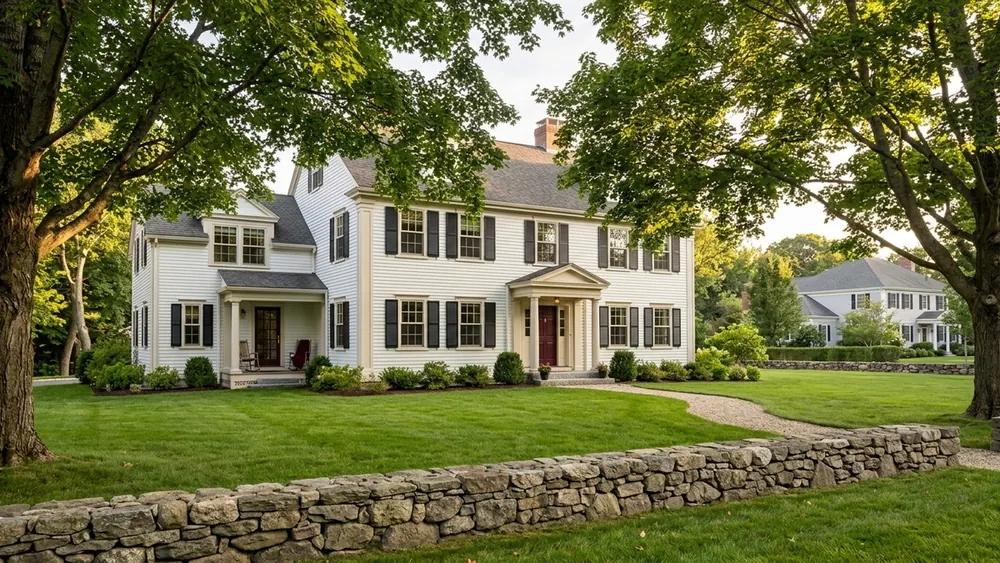
Moving up on the North Shore starts with defining what more space needs to do, then planning how your sale and purchase fit together with a lender and attorney, and reading each home for layout, condition and room to grow.
On this page
The short answer on moving up
To move up to a larger home on the North Shore, start by defining what more space needs to do for you, then plan how your current sale and your next purchase will fit together, and finally read each candidate home for its layout, condition and room to grow. The order matters. Buyers who begin with listings often end up comparing size, when the real question is whether a house will work for the way your household is changing.
This matters because a move-up purchase is usually two transactions linked together, plus a long list of practical decisions. You may be selling a condo closer to Boston while buying in a town like Reading or Beverly. Each side has its own documents, deadlines and professionals, and the way you connect them shapes how much stress the move carries. Planning both halves from the start keeps you in control of the sequence.
This article is educational. It covers how to think about space, how a sale and a purchase can be coordinated, and what to look for in a larger home. It gives no figures and makes no prediction about prices or timing. Financing questions, including how a sale and a purchase can be timed, go to a lender. Contract and contingency questions go to a real estate attorney, and tax questions about selling go to a tax professional.
Define what more space needs to do
More space is a vague goal, and vague goals make house hunting harder. Start by describing how you live now and what isn’t working. Is it a lack of bedrooms, no place to work from home, a kitchen that can’t hold everyone, or no room for visiting relatives? Each answer points to a different kind of house. A home with fewer rooms but a flexible layout can sometimes serve you more comfortably than a larger one with rooms that don’t connect.
Then think about how those needs may change. A household that’s growing now may need different things later, so ask how a home would adapt: a finished lower level, an attic with potential, a room that could change purpose. Lisa Sheehan brings a design background to this kind of reading, helping you see a floor plan for what it could become, not just what it is today. That view often changes which homes make the shortlist.
I’d rather see you buy a house with good bones and a flexible layout than a bigger one that fights the way you actually live.
Selling and buying in the right order
Most move-up buyers face the same question: sell first, buy first or try to do both close together. Each approach carries its own trade-offs. Selling first can give you clarity about your budget but may leave you needing somewhere to stay. Buying first can let you move once but may mean carrying two homes for a time. Neither is right for everyone, and the answer depends on your finances and your tolerance for uncertainty.
Your lender is the person to ask what is possible on the financing side, including whether your purchase can depend on your sale and what options exist for timing the two. A real estate attorney can explain how contingencies and closing dates can be structured in Massachusetts. Bring those answers back into your plan before you start making offers, so you know which terms you can offer a seller and which you need to protect.
On the sale side, preparation does much of the work. A home that’s ready to list, with records gathered and small repairs handled, gives you more choice about timing. Think about which updates are worth making and which can be left to the next owner, and ask a licensed contractor about any work you’re unsure of. A clear plan for the sale makes the purchase side calmer too, because you know what you’re working with.
Reading a larger home for potential
Larger homes come in many forms: an older colonial that has been added onto over time, a newer house built around an open plan, or something in between. Each asks different questions. With an older home, ask how past additions connect to the original structure, how the systems were updated, and whether the layout flows or feels pieced together. With a newer home, look closely at build quality and how well the finishes have held up.
Walk each home as if you already lived there. Picture a weekday morning, a weekend with guests and an ordinary evening. Notice where people would gather, where sound would travel and where storage would run short. Natural light, the relationship between kitchen and living space, and the location of bedrooms all shape daily life more than any single finish. These are the details worth noting while you tour, before the photos blur together.
Questions to settle before planning an addition
Some buyers find a house they like that’s almost big enough, with the idea of adding on later. That can work, but it needs research before you rely on it. What a town allows depends on its own rules, and the answers come from official sources, not from assumptions or from what a neighbor once did. Before you count on an addition, take questions like these to the right people:
- Whether the change you have in mind fits the town’s zoning and setback rules
- Which permits and review steps the town planning and building offices would require
- What an architect sees as realistic for the lot, the structure and your goals
- How a licensed contractor would approach the work and what they would need to assess
None of those answers can be predicted in advance, and every town handles review in its own way. Start the conversation early, ideally before you make an offer that depends on the addition. If the answers point toward complications, it’s far easier to adjust your search than to discover the limit after closing. A home that already works for your needs may turn out to be the simpler path.
Who answers each move-up question
A move-up purchase involves many questions at once, and keeping them sorted keeps the process moving. The table below matches common questions with why they matter and who should answer them. Use it as a checklist when you start talking with professionals, and add your own questions as your plans take shape and your search narrows.
| Question | Why it matters | Who to ask |
|---|---|---|
| Can my purchase depend on my sale? | Shapes the terms you can offer a seller | Your lender and a real estate attorney |
| What should I fix before listing? | Affects preparation, presentation and your timing | Your REALTOR® and a licensed contractor |
| Can this layout adapt as we grow? | Flexible space can change purpose over time | Your REALTOR® and an architect |
| Can I add on to this house? | Town rules decide what is allowed | The town planning and building offices |
| Are there tax questions in selling? | Your own situation shapes the answer | A tax professional |
The real estate side of this table covers reading a home’s design, condition and potential, and helping you plan the sale and purchase together. The legal, financial and town questions belong with the people trained and authorized to answer them. Bringing their answers together into one plan is where a REALTOR® who understands both design and process can help you see the whole move clearly.
How a move-up search feels different
A first purchase often centers on getting into the market. A move-up purchase centers on fit, because you already know what owning a home involves and what didn’t work last time. Use that experience. Make a list of what you’d keep from your current home and what you’d change, and let it guide your touring. It’s easy to be drawn to features you saw online and lose sight of the problems you’re actually trying to solve.
Timing can feel tight when two transactions are involved, and that pressure can push buyers to compromise on the things they set out to fix. Decide your must-haves in advance and hold to them. If a home in Lynnfield or Wakefield checks most boxes but misses the one that prompted the move, take that seriously. The right house for a growing household is the one that answers the reasons you started looking.
What to bring to a first conversation
Before you meet with anyone, write down a few things: what isn’t working in your current home, what more space needs to do for you, the towns you’re considering and why, and the answers you have so far from a lender about timing a sale and a purchase. Add any thoughts about renovation or adding on, along with the questions you’d want an architect or the town to answer. That list turns a broad goal into a plan.
When you’re ready, bring it to Lisa Sheehan, a REALTOR® with Berkshire Hathaway HomeServices Robert Paul Properties working across Greater Boston and the North Shore. A first conversation can cover your current home, the kinds of houses you’re drawn to and how to sequence the sale and the purchase. There’s no pressure to move on anyone’s schedule but yours, only a clearer view of what your next home could be.
This article is general information about real estate in Greater Boston and on the North Shore, Massachusetts. It is not legal, tax, lending, engineering, zoning or inspection advice and does not predict prices, returns or energy savings. Confirm costs and structure with licensed contractors and inspectors, permits and zoning with the town planning and building offices, incentives with official state and utility sources, and financing with a lender. Lisa Sheehan, Berkshire Hathaway HomeServices Robert Paul Properties.

Written by