Sellers
How does selling an estate or probate home work in Massachusetts?
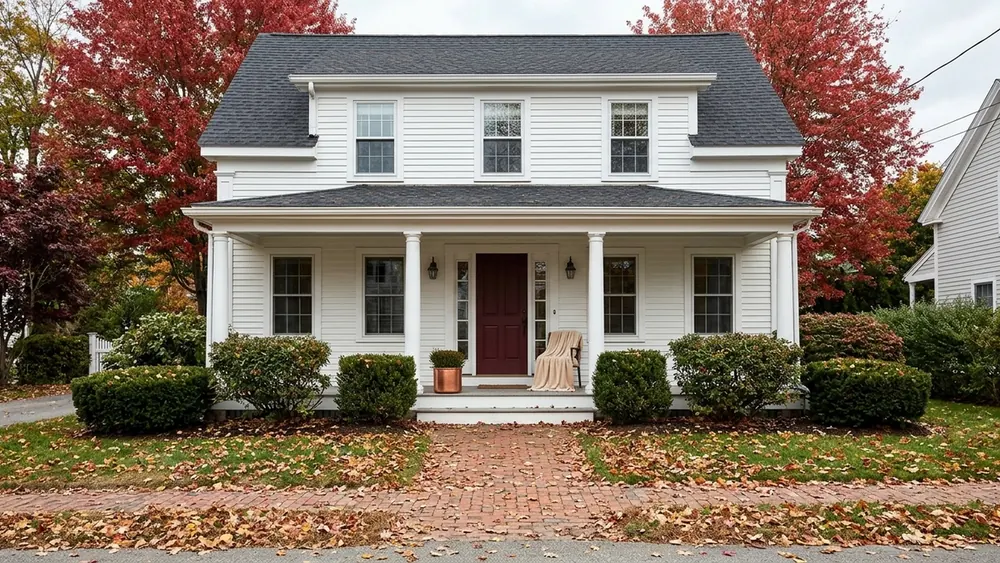
Selling an estate or probate home runs on two tracks. An estate or probate attorney and the court handle authority and every legal step, while the real estate side covers securing, clearing, preparing, marketing and showing the house, coordinated around what the attorney confirms.
On this page
- Two tracks that have to move together
- Start with your attorney and the court
- Securing and caring for the house
- Clearing out with care and the right vendors
- Preparing an estate home for buyers
- Who answers which question in an estate sale
- Marketing and offers on an estate property
- What to gather before a first conversation
Two tracks that have to move together
The short answer is that an estate or probate sale runs on two tracks at once. The legal track, which covers who has the authority to sell, whether the court needs to be involved and what approvals are required, belongs entirely to an estate or probate attorney and the court. The real estate track covers the house itself: securing it, clearing it, preparing it, marketing it and handling offers once the legal side allows.
Keeping those tracks separate, and in step, is what makes the process manageable. Real estate work can often begin while legal questions are being answered, such as walking the house, arranging a clean-out or reviewing its condition. But listing, accepting an offer and signing documents depend on what your attorney confirms about authority and process. Asking your attorney early what must happen first prevents rework later.
This matters because estate sales usually arrive at a difficult time. You may be an executor, a family member or an heir living far from Massachusetts, handling a house full of belongings and memories while also managing grief and family conversations. A clear division of responsibilities gives everyone room to make decisions carefully, without guessing about rules no one at the table is qualified to answer.
Start with your attorney and the court
Before anything else, talk with an estate or probate attorney about the property. Ask who has the authority to sell it, whether court involvement is expected, whether any petition or court approval applies, and whether anyone such as a commissioner may be involved in your situation. Each estate is different, and the answers depend on the will, the title and the family circumstances, which only your attorney and the court can address.
Ask your attorney, too, which real estate steps can begin now and which must wait. Questions about taxes connected to the sale belong with a tax professional, and questions about insurance on a vacant house belong with an insurance agent. Once you have those answers in writing, the real estate side can be planned around them, so nothing is listed or signed before the legal side is ready.
I take care of the house so your attorney can take care of the law. When each question goes to the right person, families make calmer, clearer decisions.
Securing and caring for the house
An empty or lightly occupied house needs attention right away. Check that doors and windows lock, that utilities are on or properly managed, and that someone is visiting regularly to look for leaks, storm damage or other problems. Mail, landscaping and snow removal all need an owner. Ask an insurance agent whether vacancy affects the current policy, because coverage questions are easier to settle early than after an issue.
If family members live far away, decide who holds keys and who is the point of contact for vendors and neighbors. A simple shared record of visits, repairs and decisions helps everyone stay informed and avoids duplicate effort. For heirs outside Greater Boston, remote coordination, photographs and video walkthroughs can keep the process moving without requiring repeated trips.
Think about valuables and important papers as well. Before any clean-out begins, the family and the attorney should agree on what must be set aside, such as documents, heirlooms or items named in the will. That conversation protects relationships as much as property, and it keeps the clean-out from becoming a source of later disagreement.
Clearing out with care and the right vendors
Most estate homes need some level of clean-out before they can be shown well. That can range from removing a few rooms of furniture to clearing a full house, garage and basement. Clean-out vendors, donation services and estate sale companies each handle different parts of the job. Ask each vendor clearly what they remove, what they keep or sell, and how they document the work.
Pace this step to the family, not just the calendar. Some families want to go through belongings slowly, and some prefer that professionals handle most of it. Either approach can work. What matters is that the decisions are agreed among the people with authority, confirmed with the attorney where needed, and recorded so that everyone understands what happened to the contents of the house.
Preparing an estate home for buyers
Once the house is clear, look at it as a buyer would. Many estate homes have been well loved but not recently updated, and buyers will notice older systems, worn finishes and deferred maintenance. You do not have to renovate. The useful question is which modest steps would help buyers see the home’s potential, and which items are better disclosed and left for the next owner.
- Ask a licensed home inspector for a pre-listing view of condition and systems
- Get a licensed contractor’s opinion before deciding on any repair or update
- Clean thoroughly and address small defects that distract from the home’s layout
- Use simple staging guidance so empty rooms show their size and purpose
Seeing potential is where design thinking helps. An older home in Lexington or Andover may have strong bones, good light or a layout that could open up nicely, even if the finishes are tired. Lisa Sheehan helps you read the home’s design and condition on the real estate side, while structural and cost questions stay with a licensed contractor or an architect.
Who answers which question in an estate sale
Because so many people are involved, it helps to know in advance who answers what. This simple map keeps conversations focused and prevents anyone, including the real estate agent, from offering opinions outside their role. Keep it with your estate records and revisit it as the process moves along.
| Question | Why it matters | Who to ask |
|---|---|---|
| Who has authority to sell? | Nothing can be signed without confirmed authority | An estate or probate attorney |
| Is court involvement or approval needed? | It shapes what happens before and after an offer | An estate or probate attorney and the court |
| Are there tax questions tied to the sale? | Tax treatment can affect heirs and the estate | A tax professional |
| Is the vacant house properly insured? | Coverage may change when nobody lives there | An insurance agent |
| How should the house be prepared and marketed? | Presentation affects how buyers see condition and potential | Your real estate agent |
The real estate agent’s role sits in the last row, and it is substantial: coordinating vendors, advising on preparation, presenting the home, handling showings and managing offers. But that work always runs alongside the attorney’s guidance. When an offer arrives, any terms that depend on court approval or the estate’s process should be reviewed by the attorney before anyone signs.
Marketing and offers on an estate property
Marketing an estate home is much like marketing any home, with a few added considerations. The description should be accurate about condition and focus on the home’s layout, light and potential. Photography should show the house clear and clean. The listing should not mention the family’s circumstances, and showing arrangements should account for heirs who may not be nearby.
When offers arrive, they may need to fit the estate’s process. Your attorney can tell you whether any approval step affects timing or terms, and that guidance should shape how offers are compared and answered. Buyers’ questions about contingencies, timing or disclosures go through the agent to the attorney when they touch legal matters, so nobody gives an answer they are not qualified to give.
What to gather before a first conversation
You can prepare for a first real estate conversation even while the legal side is still in progress. Write down who is involved in the decision, the name of the estate or probate attorney, what the attorney has said so far about authority and timing, and any concerns about the house itself. Add notes on the contents, any vendors already contacted and how much involvement each family member wants.
When you are ready, bring those notes to Lisa. Whether the house is in Charlestown, on the North Shore or elsewhere in Massachusetts, the first step is the same: a calm walkthrough, a practical plan for the real estate side, and coordination with your attorney at every stage. There is no pressure, and decisions move at a pace that works for your family.
This article is general information about real estate in Greater Boston and on the North Shore, Massachusetts. It is not legal, tax, lending, engineering, zoning or inspection advice and does not predict prices, returns or energy savings. Confirm costs and structure with licensed contractors and inspectors, permits and zoning with the town planning and building offices, incentives with official state and utility sources, and financing with a lender. Lisa Sheehan, Berkshire Hathaway HomeServices Robert Paul Properties.

Written by